Health Directory
Find Resources by Category
Search by topic
Your health. Your decisions. Better information. The Smarter Way.
The RX Weight Loss & Wellness Health Directory was created to help you understand your body, take control of your health, and make smarter healthcare decisions. Instead of feeling overwhelmed by conflicting health information, use our directory to explore common health conditions, medications, nutrition, exercise, treatment options, and practical wellness strategies—all explained in a clear, easy-to-understand way. The more you understand about your health, the better questions you can ask, the better decisions you can make, and the better prepared you are to take action.
Better Health Starts With Better Information
Belly Fat & Body Composition

By William McComb
•
July 13, 2026
Most people judge their health by one number: Their weight.
By William McComb
•
June 28, 2026
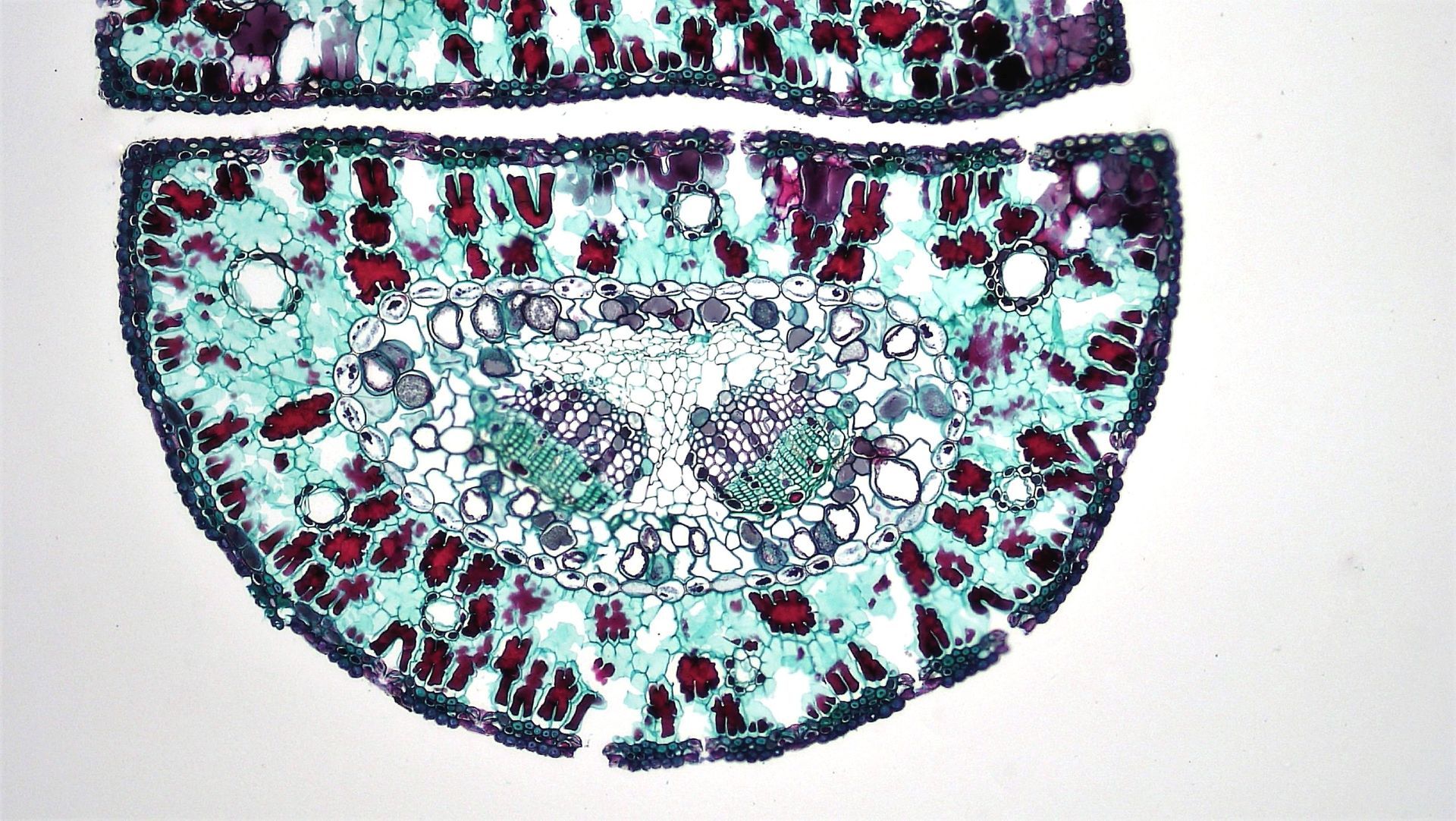
How Mitochondria Control Fat Burning Why Your Body's Power Plants Determine Whether You Burn Fat or Store It Most people think weight loss is about calories. Your body thinks it's about energy. Inside nearly every cell are tiny structures called mitochondria. These microscopic power plants convert food and oxygen into ATP, the energy currency that powers every heartbeat, muscle contraction, thought, and metabolic process in your body. When mitochondria function efficiently, your body becomes remarkably good at producing energy. Fat is more easily released from storage, muscles perform better, mental clarity improves, and metabolism operates at a higher level. When mitochondrial function declines, the opposite often occurs. Energy drops, cravings increase, inflammation rises, and fat loss becomes increasingly difficult. Many factors can influence mitochondrial health: • Excess processed foods • Chronic stress • Poor sleep • Physical inactivity • Loss of muscle mass • Nutrient deficiencies • Hormonal imbalances At Rx Weight Loss & Wellness, we believe successful fat loss begins with helping your body create energy more efficiently. The goal isn't simply eating less. The goal is improving the machinery that converts food into energy. Because when your mitochondria work better, your metabolism often works better too. Signs Your Mitochondria May Not Be Functioning Optimally - Chronic fatigue - Brain fog - Poor exercise recovery - Stubborn abdominal fat - Increased cravings - Reduced stamina - Difficulty losing weight despite dieting Supporting Mitochondrial Function - Whole-food nutrition - Adequate protein intake - Resistance training - High-intensity interval training - Healthy sleep habits - Proper nutrient intake - Physician-guided metabolic care Fat loss is not simply about burning calories. It's about improving your body's ability to produce energy.
Body Sculpting

By William McComb
•
July 23, 2026
Body Sculpting Isn’t Just About Looking Better—It’s About Building a Healthier Body
Diabetes & Blood Sugar

By William McComb
•
July 12, 2026
Why Short Bursts of Hard Exercise Can Help Wake Up Your Metabolism
Energy & Fatigue

By William McComb
•
July 13, 2026
ENERGY & FATIGUE
Exercise & Muscle

By William McComb
•
October 13, 2026
Discover why weight loss takes more than eating better and exercising more, and explore the deeper factors that can influence metabolism, appetite, and progress.

By William McComb
•
July 27, 2026
Why Preserving Muscle Is the Secret to Long-Term Weight Loss and a Healthy Metabolism
By William McComb
•
July 12, 2026
Why Short Bursts of Hard Exercise Can Help Wake Up Your Metabolism

By William McComb
•
July 12, 2026
The Missing Link to a Healthy Heart, Healthy Lungs, and Healthy Aging
By William McComb
•
July 10, 2026
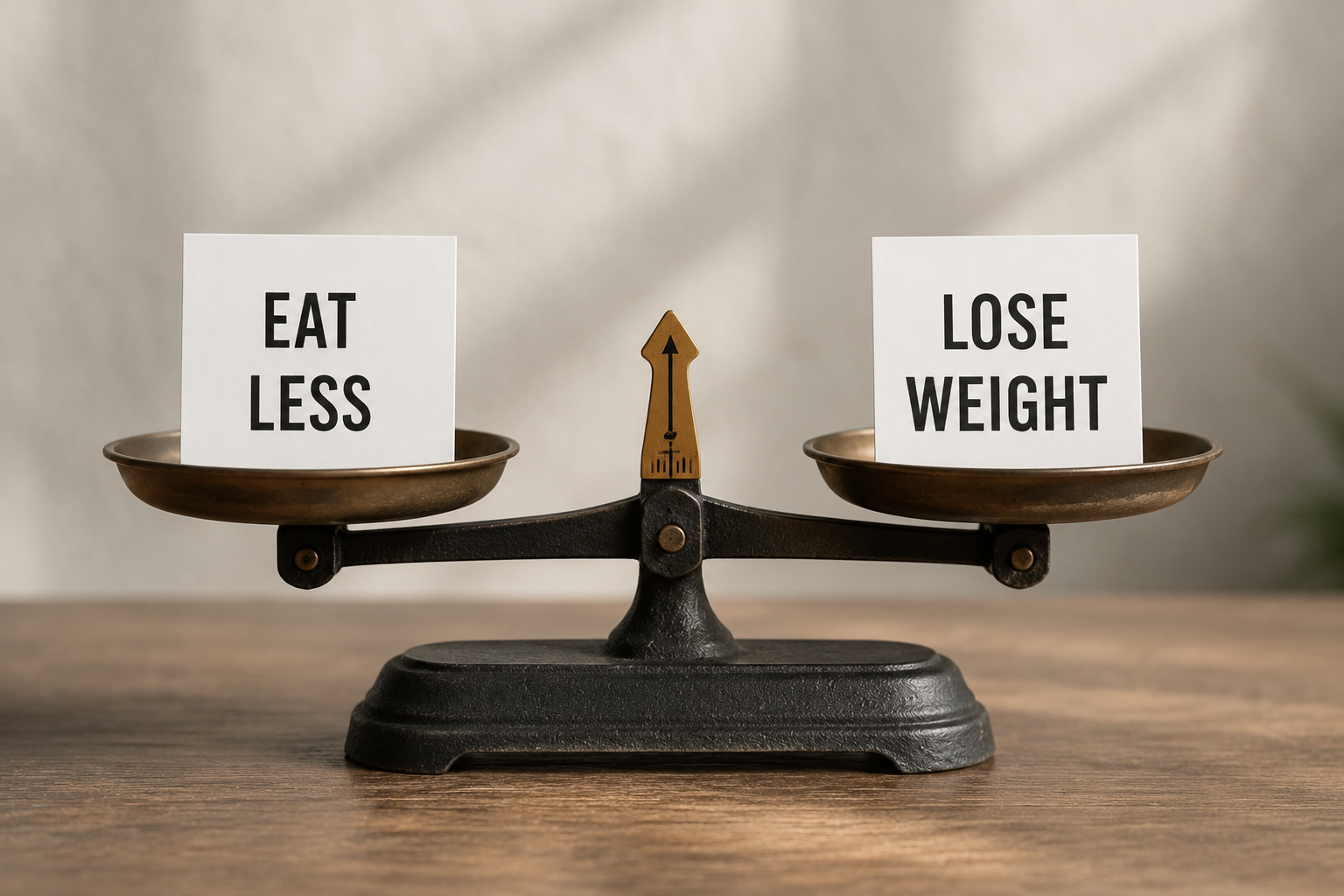
Most people think weight loss is simply about eating less. But your body is much more powerful than that. Inside you is an incredible energy system designed to release stored fuel quickly, efficiently, and forcefully when the body is challenged. This is what we call the wow factor. The wow factor is the amazing amplification cascade that happens inside the human body when energy is needed fast. Instead of one molecule causing one small effect, the body creates a powerful chain reaction. One signal activates an enzyme. That enzyme activates many more enzymes. Each of those enzymes activates even more. The result is a massive release of stored energy. This is not addition. This is multiplication.

By William McComb
•
July 10, 2026
Why High-Intensity Exercise Matters Most people believe that if they exercise long enough, their body will simply use all of its stored energy. That’s only partly true. Your body actually stores fuel in two completely different places , and one of those fuel supplies is essentially off-limits unless you perform high-intensity exercise. Understanding this may completely change the way you think about exercise and weight loss .
GLP-1 Medications
By William McComb
•
July 10, 2026
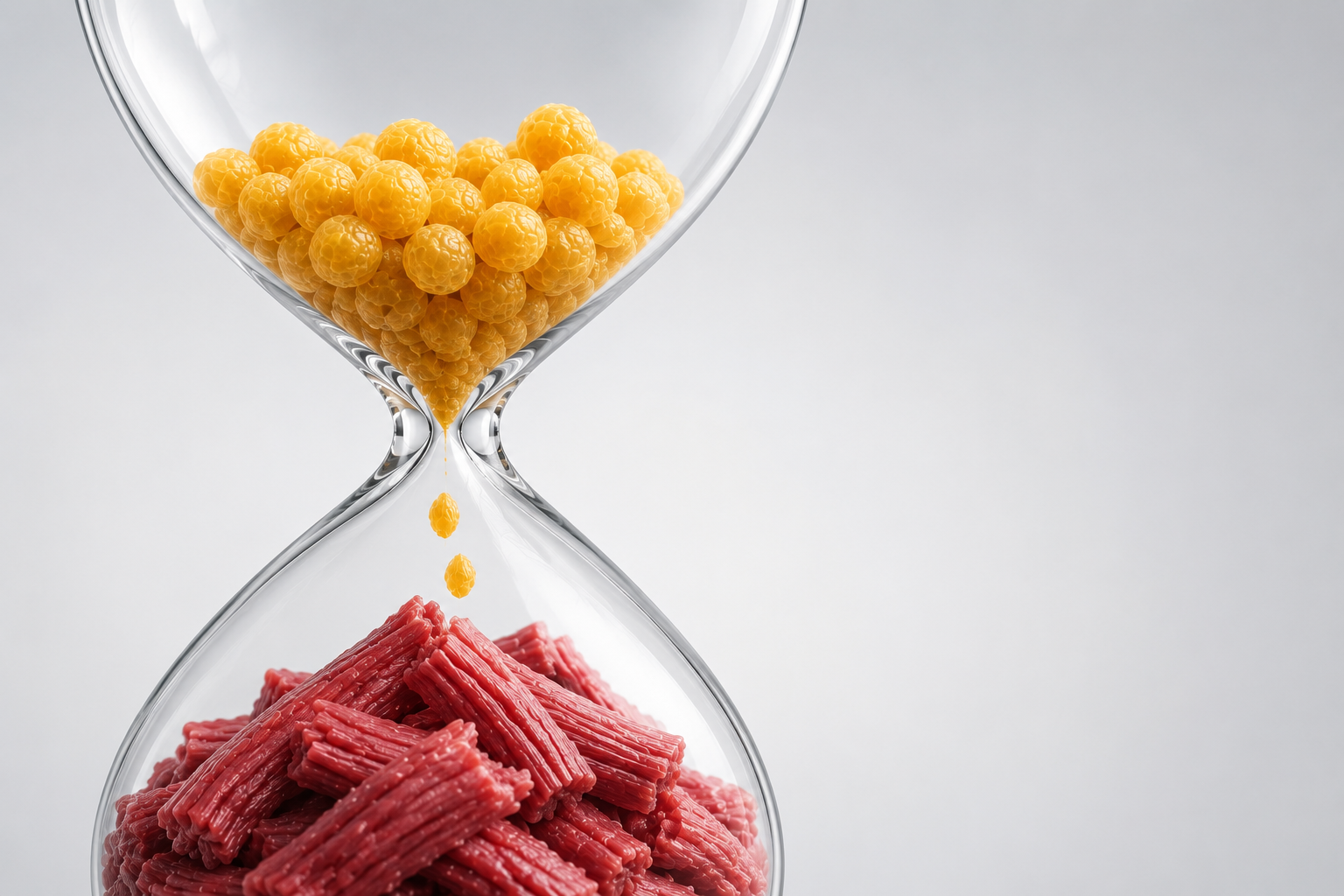
Losing Muscle Instead of Fat

Gut Health

By William McComb
•
July 13, 2026
Why a Healthy Gut May Be One of the Most Important Keys to Better Health
Healthy Aging

By William McComb
•
September 9, 2026
The Truth About Aging, Metabolism, Hormones, and Why There Is a Smarter Way to Lose Fat
By William McComb
•
July 12, 2026
The Missing Link to a Healthy Heart, Healthy Lungs, and Healthy Aging
Heart Health

By William McComb
•
July 12, 2026
The Smarter Way to Understand Cardiovascular Fitness
Hormones

By William McComb
•
July 13, 2026
You Don't Want to Feel Your Age… You Want to Feel Like Yourself Again

By William McComb
•
July 13, 2026
Feel Like the Man You Were Meant to Be Again

By William McComb
•
May 21, 2026
Your Body Was Designed to Repair Itself
Men's Health
By William McComb
•
July 13, 2026
Feel Like the Man You Were Meant to Be Again
Metabolism
By William McComb
•
July 27, 2026
Why Preserving Muscle Is the Secret to Long-Term Weight Loss and a Healthy Metabolism

By William McComb
•
July 24, 2026
What Plants and People Have in Common

By William McComb
•
July 10, 2026
How High-Intensity Exercise Helps Your Body Burn Stored Fuel, Improve Insulin Sensitivity, and Restore Energy Most people think weight loss is just about eating less. But your body is much more intelligent than that. Your body does not simply count calories. It responds to signals. And one of the most powerful signals you can send your body is the signal created by properly performed high-intensity exercise.
By William McComb
•
June 28, 2026
How Mitochondria Control Fat Burning Why Your Body's Power Plants Determine Whether You Burn Fat or Store It Most people think weight loss is about calories. Your body thinks it's about energy. Inside nearly every cell are tiny structures called mitochondria. These microscopic power plants convert food and oxygen into ATP, the energy currency that powers every heartbeat, muscle contraction, thought, and metabolic process in your body. When mitochondria function efficiently, your body becomes remarkably good at producing energy. Fat is more easily released from storage, muscles perform better, mental clarity improves, and metabolism operates at a higher level. When mitochondrial function declines, the opposite often occurs. Energy drops, cravings increase, inflammation rises, and fat loss becomes increasingly difficult. Many factors can influence mitochondrial health: • Excess processed foods • Chronic stress • Poor sleep • Physical inactivity • Loss of muscle mass • Nutrient deficiencies • Hormonal imbalances At Rx Weight Loss & Wellness, we believe successful fat loss begins with helping your body create energy more efficiently. The goal isn't simply eating less. The goal is improving the machinery that converts food into energy. Because when your mitochondria work better, your metabolism often works better too. Signs Your Mitochondria May Not Be Functioning Optimally - Chronic fatigue - Brain fog - Poor exercise recovery - Stubborn abdominal fat - Increased cravings - Reduced stamina - Difficulty losing weight despite dieting Supporting Mitochondrial Function - Whole-food nutrition - Adequate protein intake - Resistance training - High-intensity interval training - Healthy sleep habits - Proper nutrient intake - Physician-guided metabolic care Fat loss is not simply about burning calories. It's about improving your body's ability to produce energy.
Nutrition
By William McComb
•
October 13, 2026
Discover why weight loss takes more than eating better and exercising more, and explore the deeper factors that can influence metabolism, appetite, and progress.

By William McComb
•
September 29, 2026
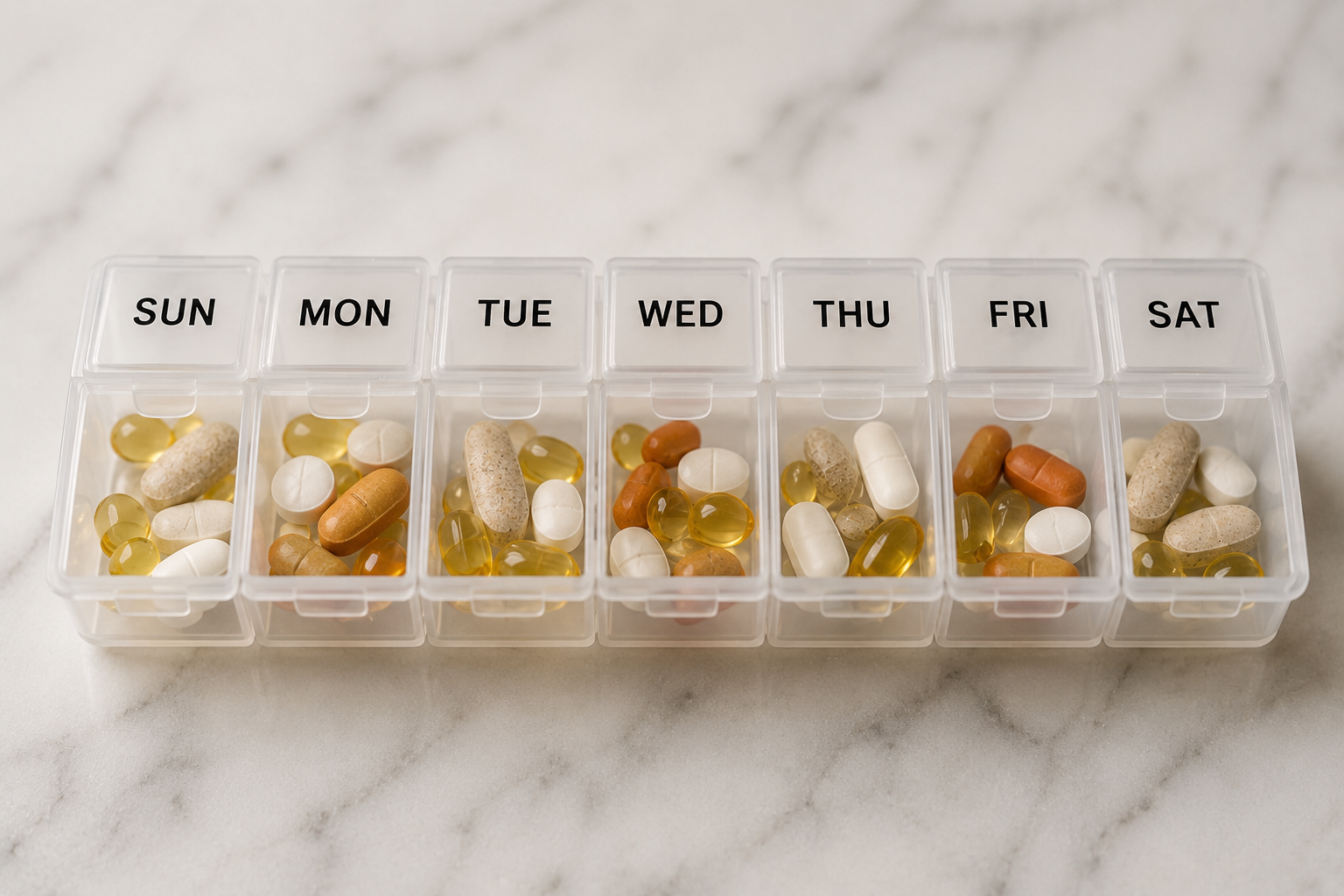
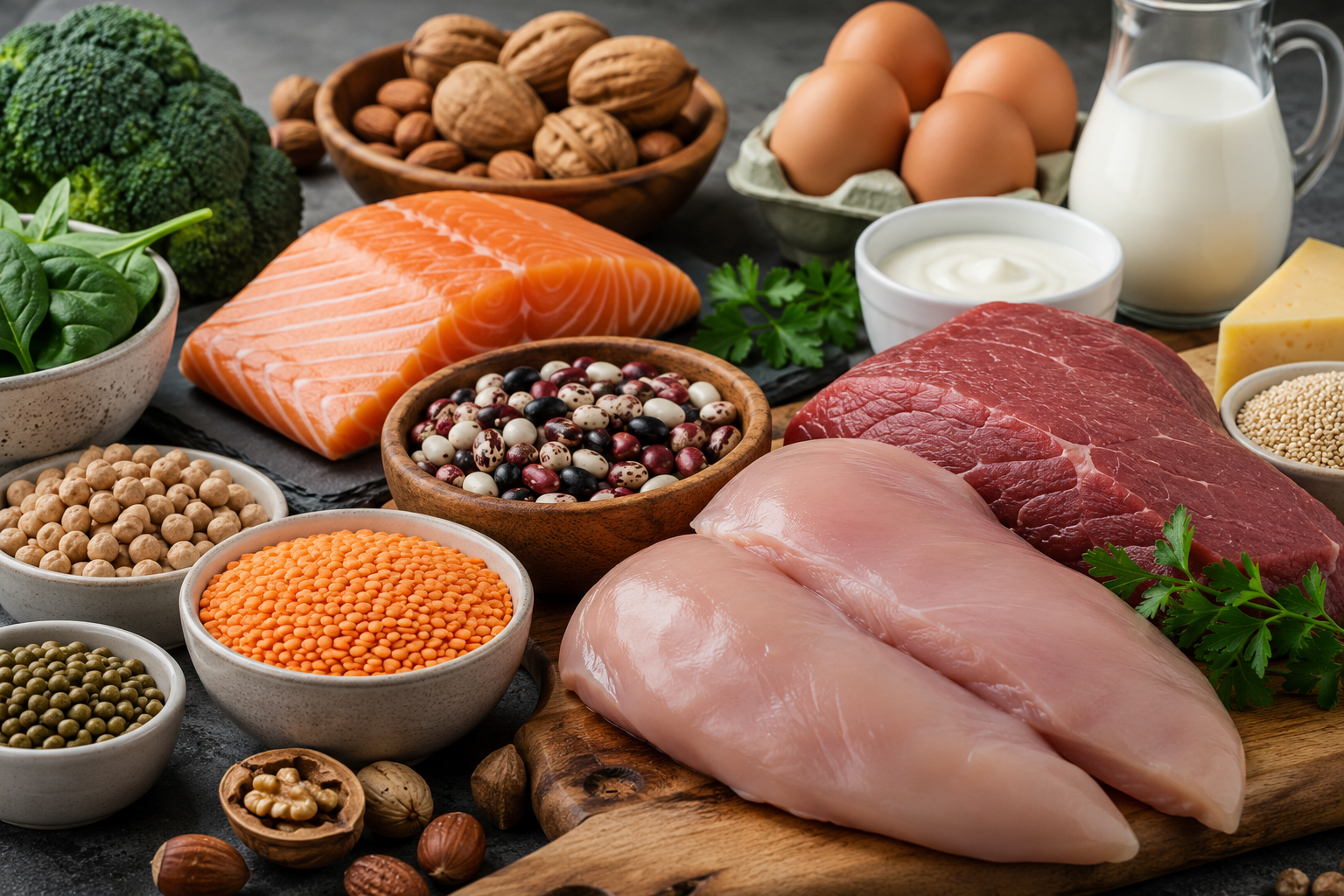
Beef Liver & Anemia How three physicians turned a simple food into a lifesaving treatment Less than 100 years ago, pernicious anemia was often a death sentence. Patients became exhausted, pale, weak, and short of breath. Some developed confusion, numbness, difficulty walking, and permanent nerve damage. Physicians watched helplessly as the disease progressed because no effective treatment existed. Then three American physicians—Dr. George Whipple, Dr. George Minot, and Dr. William Murphy—looked in an unexpected direction: food.
By William McComb
•
July 12, 2026
The Building Block of Health and the Fuel for Your Metabolic Engine
Patient Success Stories

By William McComb
•
August 31, 2026
Kristine’s Transformation: Finding Herself Beyond Food For years, Kristine was “the foodie” among her friends — the party planner who organized restaurant nights, cooking classes, and elaborate gatherings centered around food.

By William McComb
•
August 31, 2026
David’s Transformation: Science-Backed Results That Changed Everything David, 49, was the type of person who believed every problem could be solved with enough discipline and data. A successful software designer and self-proclaimed “data geek,” he arrived at Rx Weight Loss & Wellness carrying years of spreadsheets documenting every failed attempt to lose weight .

By William McComb
•
August 31, 2026
Beyond the Scale: Joseph’s Heart Health Transformation Joseph, 68, spent decades working hard as a construction foreman. Long hours, stress, and years of gradual weight gain had become “normal” to him. He brushed it off as simply getting older — “just a dad bod,” as he called it. Then came the chest pain. An emergency room visit revealed something far more serious happening beneath the surface. A coronary calcium scan showed early atherosclerotic plaque buildup, while his labs painted the classic picture of metabolic dysfunction: insulin resistance, elevated triglycerides, low HDL cholesterol, and rising inflammation. What shocked Joseph most was learning that visceral abdominal fat wasn’t just cosmetic weight — it was actively damaging his blood vessels and accelerating cardiovascular disease every single day. Four months after beginning GLP-1 therapy as part of his medically supervised program, Joseph’s health story changed dramatically. He lost 22 pounds — but the real transformation was happening internally. His A1C dropped from 6.3% to 5.2%. His triglycerides normalized. Follow-up imaging showed stabilization of arterial plaque progression. His energy improved, his breathing became easier, and his inflammation markers fell significantly. For the first time, Joseph understood that metabolic health and heart health are deeply connected. “I used to think protecting my heart meant avoiding steak,” he said. “Now I understand the real danger was the invisible metabolic damage happening inside my body every day.” Joseph’s journey is a powerful reminder that GLP-1 therapy is not simply about losing weight on a scale. By improving insulin sensitivity, reducing visceral fat, and calming chronic inflammation, these treatments may help reduce cardiovascular risk and restore metabolic health before irreversible damage occurs. Results vary.

By William McComb
•
August 31, 2026
From Burned Out to Built Back: Mark’s Journey From Exhaustion to Unstoppable Energy Mark, 57, looked successful from the outside. A high-performing CEO and former collegiate athlete, he had spent his entire life believing that discipline, intensity, and hard work could overcome anything. But after years of stress, travel, poor recovery, and gradual weight gain, his body no longer responded the way it once had. His energy crashed. His metabolism slowed. His workouts left him exhausted instead of stronger. When Mark began GLP-1 thera py at Rx Weight Loss & Wellness , h e immediately attacked the process the same way he approached business and sports — with maximum intensity. Daily workouts. Aggressive cardio. Heavy training sessions. Three weeks later, he was frustrated, sore, depleted, and losing motivation fast. “I feel like I should be able to do more, not less,” he admitted. What Mark was experiencing is something many patients never realize: during rapid metabolic change, the body needs strategic adaptation — not punishment. We helped Mark completely reframe his approach. Instead of pushing harder, we built a sustainable metabolic performance plan tailored to his changing physiology while on GLP-1 therapy. We scaled him back to: • Two focused 30-minute strength sessions weekly • Daily walking with strategic HIIT intervals • Recovery-focused programming • Higher protein intake to preserve lean muscle and metabolism • Gradual progression instead of burnout At first, Mark struggled mentally with doing “less.” But within weeks, his body began responding in ways it hadn’t in years. His energy stabilized. His recovery improved. His inflammation dropped. His workouts became productive again instead of draining. Six months later, Mark had lost 42 pounds while building a sustainable fitness routine he could actually maintain long term. More importantly, he stopped viewing exercise as punishment and started using it as a tool to strengthen his metabolism, protect muscle, and support longevity. “The difference this time,” Mark said, “is that I’m no longer fighting my body. I’m finally working with it.” Mark’s transformation highlights one of the biggest keys to success during GLP-1 therapy: the right strategy matters. Extreme workouts and burnout are not the answer. Consistency, recovery, muscle preservation, and expert guidance create lasting transformation. A t Rx Weight Loss & Wellness , w e don’t just prescribe medication — we help patients build a complete metabolic strategy designed for real-world success. Results vary.

By William McComb
•
August 27, 2026
More Than Weight Loss: Sally’s Turning Point Sally, 54, walked into RX Weight Loss & Wellness feeling defeated. Her blood pressure was 168/98. LDL cholesterol: 182. A strong family history of heart disease. She tracked every calorie, went to the gym three times a week, and did everything she thought she was “supposed” to do. Yet her health markers kept getting worse. “I’m doing everything right, but my body won’t cooperate,” she said. What weighed on her most wasn’t just the number on the scale — it was the constant mental battle with hunger, cravings, and exhaustion. Six months after starting tirzepatide as part of her medically supervised program, Sally lost 28 pounds — but the biggest transformation was happening inside her body. Her blood pressure normalized to 118/76 without medication. Her cholesterol and inflammatory markers improved dramatically. And for the first time in years, she described feeling mentally free. “I finally don’t think about food every waking moment.” Sally’s journey is a reminder that GLP-1 medications aren’t simply about appetite suppression. For many patients, they help address deeper metabolic dysfunction — improving health, lowering cardiovascular risk, and restoring confidence and quality of life. Results vary.

By William McComb
•
May 17, 2026
Eleanor Transformed Her Health By Focusing on Nutrition, Not Numbers

By William McComb
•
May 11, 2026
The First Weight Loss Plan Failed… Until Selma Made One Key Change

Peptides

By William McComb
•
August 10, 2026
GHK The Signaling Peptide That Helps Turn Your Genes On and Off

By William McComb
•
July 12, 2026
The Smarter Way to Lasting Body Transformation
Sleep & Recovery

By William McComb
•
July 12, 2026
The Hidden Connection Between Sleep, Hormones, Appetite, and Fat Loss
The Science of Health

By William McComb
•
July 24, 2026
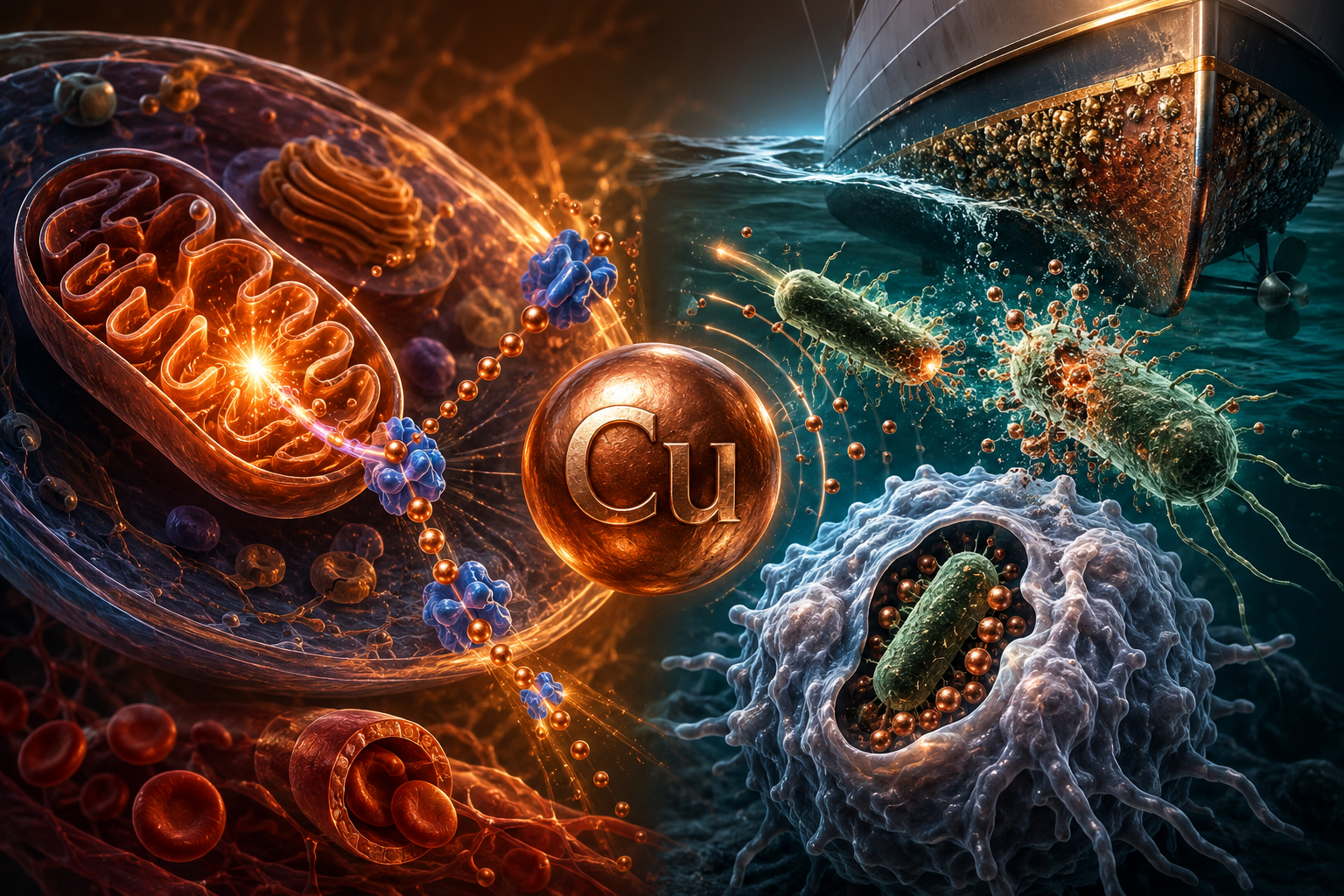
Imagine a world with no people.
By William McComb
•
July 24, 2026
Copper: How Can It Help Your Cells and Kill Germs at the Same Time?

By William McComb
•
July 13, 2026
The Smarter Way to Health Is Understanding WHY, Not Just What

By William McComb
•
July 12, 2026
How an Ancient Evolutionary Event Still Influences Your Ability to Burn Fat Today
By William McComb
•
May 21, 2026
Your Body Was Designed to Repair Itself
Vitamins & Minerals

By William McComb
•
July 13, 2026
Vitamins and Minerals
Weight Loss
By William McComb
•
September 9, 2026
The Truth About Aging, Metabolism, Hormones, and Why There Is a Smarter Way to Lose Fat
By William McComb
•
July 27, 2026
Why Preserving Muscle Is the Secret to Long-Term Weight Loss and a Healthy Metabolism
By William McComb
•
July 13, 2026
Why a Healthy Gut May Be One of the Most Important Keys to Better Health
By William McComb
•
July 13, 2026
Most people judge their health by one number: Their weight.
By William McComb
•
July 12, 2026
The Hidden Connection Between Sleep, Hormones, Appetite, and Fat Loss
By William McComb
•
July 10, 2026
Losing Muscle Instead of Fat
By William McComb
•
June 28, 2026
How Mitochondria Control Fat Burning Why Your Body's Power Plants Determine Whether You Burn Fat or Store It Most people think weight loss is about calories. Your body thinks it's about energy. Inside nearly every cell are tiny structures called mitochondria. These microscopic power plants convert food and oxygen into ATP, the energy currency that powers every heartbeat, muscle contraction, thought, and metabolic process in your body. When mitochondria function efficiently, your body becomes remarkably good at producing energy. Fat is more easily released from storage, muscles perform better, mental clarity improves, and metabolism operates at a higher level. When mitochondrial function declines, the opposite often occurs. Energy drops, cravings increase, inflammation rises, and fat loss becomes increasingly difficult. Many factors can influence mitochondrial health: • Excess processed foods • Chronic stress • Poor sleep • Physical inactivity • Loss of muscle mass • Nutrient deficiencies • Hormonal imbalances At Rx Weight Loss & Wellness, we believe successful fat loss begins with helping your body create energy more efficiently. The goal isn't simply eating less. The goal is improving the machinery that converts food into energy. Because when your mitochondria work better, your metabolism often works better too. Signs Your Mitochondria May Not Be Functioning Optimally - Chronic fatigue - Brain fog - Poor exercise recovery - Stubborn abdominal fat - Increased cravings - Reduced stamina - Difficulty losing weight despite dieting Supporting Mitochondrial Function - Whole-food nutrition - Adequate protein intake - Resistance training - High-intensity interval training - Healthy sleep habits - Proper nutrient intake - Physician-guided metabolic care Fat loss is not simply about burning calories. It's about improving your body's ability to produce energy.
By William McComb
•
May 21, 2026
Your Body Was Designed to Repair Itself
Women's Health
By William McComb
•
September 9, 2026
The Truth About Aging, Metabolism, Hormones, and Why There Is a Smarter Way to Lose Fat
By William McComb
•
July 13, 2026
You Don't Want to Feel Your Age… You Want to Feel Like Yourself Again